


Disorders
Depression
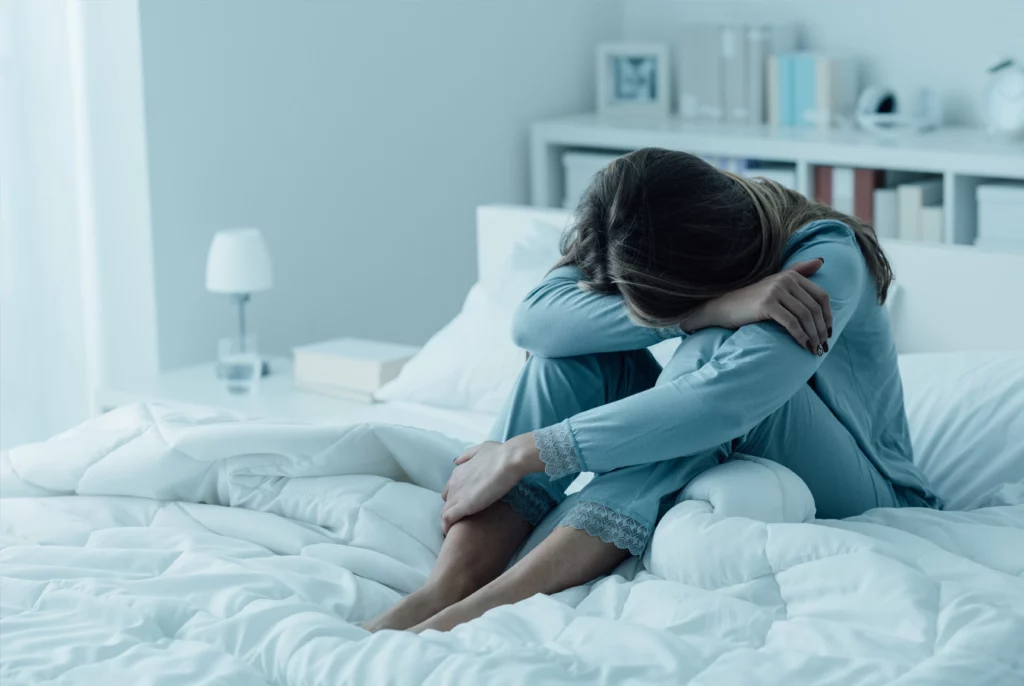
Depression is a common and serious mood disorder that affects how you feel, think, and handle daily activities. It's characterized by persistent feelings of sadness, loss of interest in activities once enjoyed, and a range of physical and emotional problems. These symptoms must last for at least two weeks for a diagnosis of depression. Treatment often involves medication, psychotherapy, or ideally a combination of both, and lifestyle changes can also help manage symptoms. Early intervention is key to effective treatment and recovery.
Contact UsAnxiety
Fear is a normal and often healthy emotion. However, when a person regularly feels disproportionate levels of anxiety, it might become a medical disorder. Anxiety disorders form a category of mental health diagnoses that lead to excessive nervousness, fear, apprehension, and worry. These disorders alter how a person processes emotions and behave, also causing physical symptoms. Mild anxiety might be vague and unsettling, while severe anxiety may seriously affect day-to-day living. Treatments include therapy, medication, and lifestyle changes.
Contact Us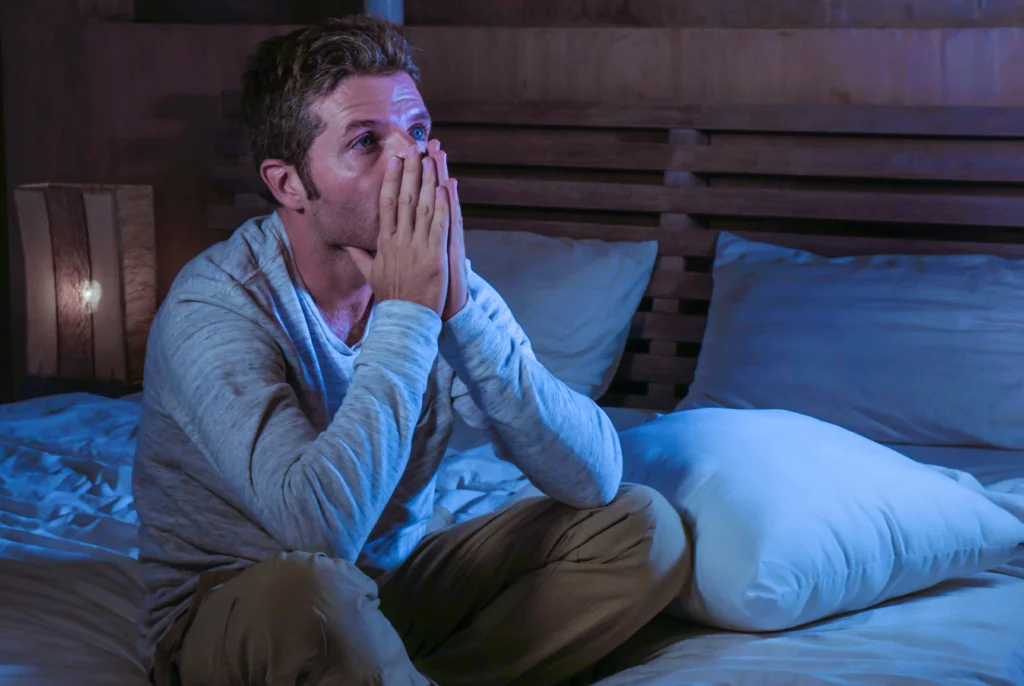

Substance Used Disorder
Substance use disorder involves the harmful or hazardous use of alcohol or drugs, leading to problems affecting health, relationships, and responsibilities. Assistance is available through local GPs, who can discuss treatment options like medications and counseling, tailored to the individual's readiness for change. Confidential advice and support can also be sought from specialised services. Helping someone with substance use disorder should focus on professional guidance for both the individual and their support network, emphasizing self-care and avoiding direct responsibility for the person's recovery.
Contact UsPost-Traumatic Stress (PTSD) / Complex PTSD (C-PTSD)
Post-Traumatic Stress Disorder (PTSD) can result from exposure to a disturbing or upsetting event/events in a person’s life. While the nature of the disturbance can vary greatly, generally it would be a situation that causes intense fear or other strong emotional reactions. This is much more complex when someone has been subjected to multiple and regular events or when someone is affected by neglect or other issues related to important needs not being taken care of in childhood. Not everyone who experiences trauma will develop PTSD, but those who do may experience intense flashbacks or nightmares, agitation and anxiety (feeling on edge), problems with mood or clear thinking, and avoidance of thoughts about the trauma (that can result in dissociation and/or other avoidance behaviours). Complex-PTSD (C-PTSD) can result from PTSD (especially when there have been multiple traumas experienced). When someone has C-PTSD they will have all of the symptoms of PTSD outlined above, but also will experience relationship difficulties (including avoiding relationships), difficulties managing emotions, and severe feelings of shame, guilt or failure related to the traumas.
Contact Us